
Blackbutt, Spotted Gum and the Australian Timber Look
Blackbutt and spotted gum define the Australian timber floor, and vinyl now carries both looks convincingly. This piece walks through what each species actually looks like, and names the specific decors in our ranges that deliver them.
In this article
Put a European oak floor in a Queenslander and something feels slightly off, even if you cannot name it. Put blackbutt in and the house looks like itself. Australian hardwood species have a particular palette, pale straw, honey, soft grey-browns, and after decades of blackbutt and spotted gum floors, decks and benchtops, that palette is simply what Australian interiors expect underfoot.
The real timbers are beautiful and expensive, and in wet areas they are a liability. Which is why the most requested vinyl decors in our ranges, year in and year out, are the Australian species looks. This piece covers what blackbutt and spotted gum actually look like, and exactly which decors deliver each one.
Blackbutt: The Calm Blonde
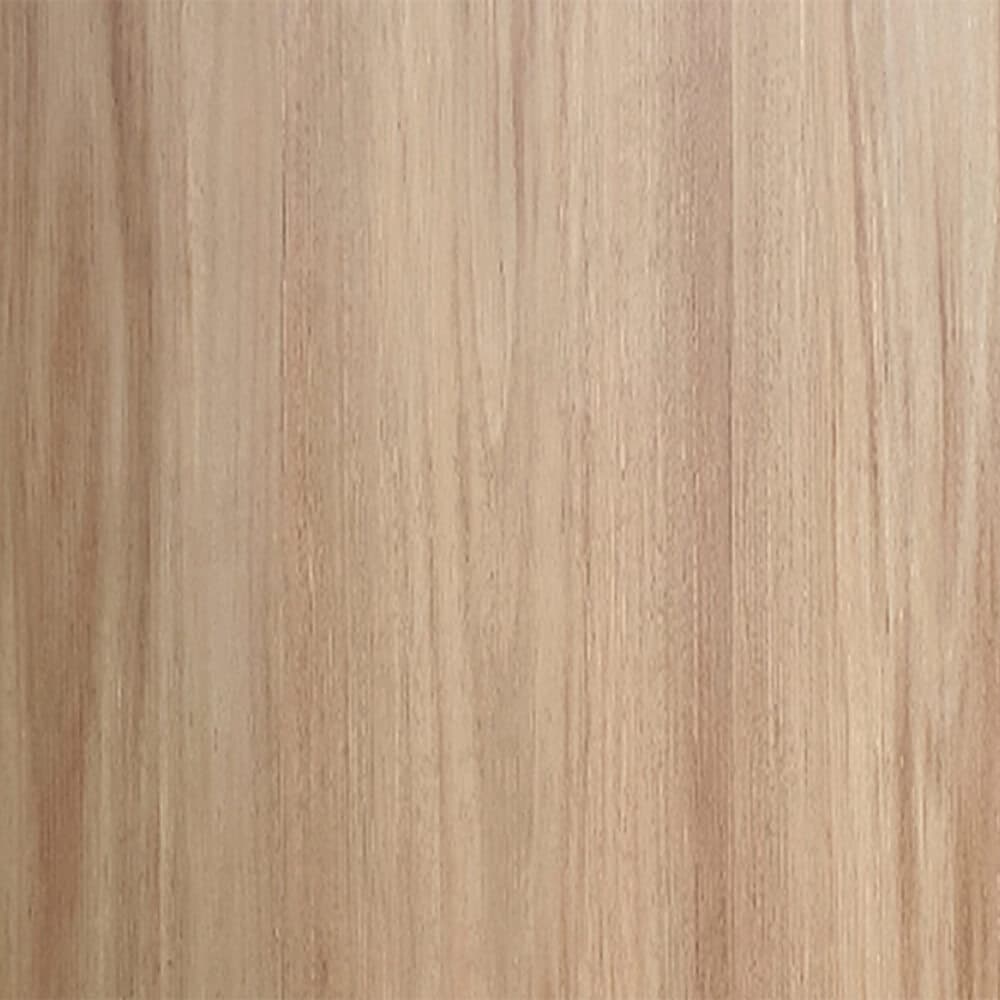
Blackbutt, the timber, is a coastal hardwood from New South Wales and southern Queensland. Despite the name, the boards are pale: cream, straw and soft honey tones with a straight, even grain and only the occasional darker vein or gum mark. It is a quiet floor. That evenness is the whole appeal, because a blackbutt floor brightens a room without competing with anything in it, which is why it became the default for coastal and contemporary Australian builds.
A good blackbutt-look vinyl decor keeps that restraint: pale tones, gentle variation between planks, grain you notice at close range rather than across the room. If a board looks dramatic, it is not really doing blackbutt.
The Blackbutt Decors We Stock
Blackbutt is the deepest bench in our catalogue, with versions across all three plank ranges and a spread of tones within the look.
- Blackbutt in ArtiFloor Timberland 4.5: the straight-down-the-middle version of the species, pale straw with soft grain.
- Coastal Blackbutt and Pale Blackbutt in Timberland 4.5: lighter and cooler, leaning towards the washed, beach-house end of the palette.
- Natural Blackbutt in Timberland 4.5: a touch warmer and more honeyed than its siblings.
- Coastal Blackbutt and Natural Blackbutt in Timberland 2.5: the same two looks in the thinner, more budget-friendly range.
- Native Blackbutt and NSW Blackbutt in Terra Mater Resiplank Essence: two takes with Terra Mater's harder-wearing surface.
Eight decors sounds like a lot of ways to say pale timber, but the differences are real once samples are side by side in daylight: cooler grey undertones in the coastal versions, warmth in the naturals. Screens flatten exactly these differences, which is why we keep repeating the advice about ordering samples.
Spotted Gum: The Character Floor
Spotted gum sits at the other end of the personality scale. The tree is named for its mottled bark, not for spots in the timber, and the boards carry rich colour play: pale grey-brown through caramel to deep chocolate ribbons, often within a single board, with a wavy, interlocked grain that catches light differently as you move through the room. Where blackbutt recedes politely, spotted gum performs.
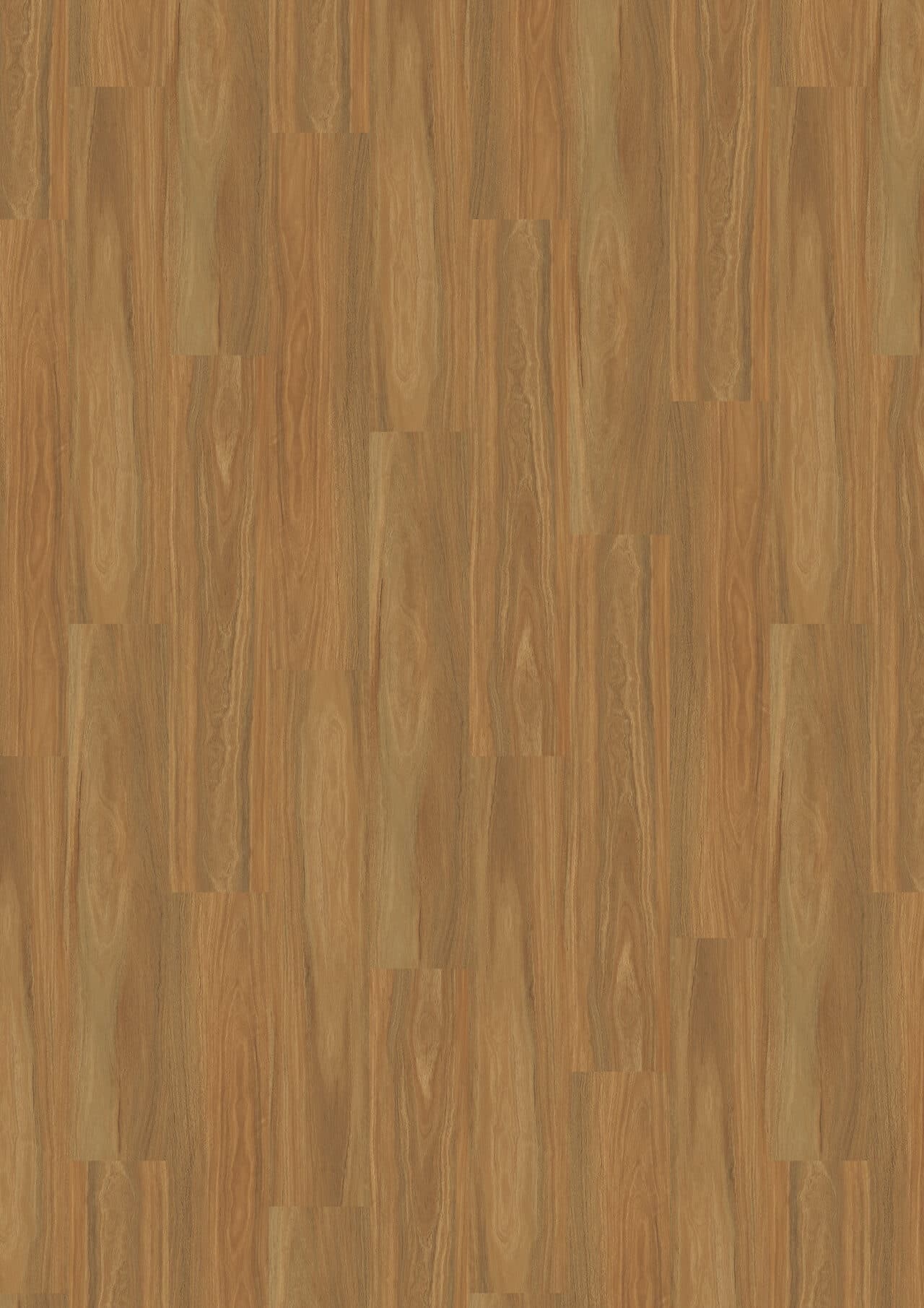
In a decor, that character depends on variation between planks. A convincing spotted gum vinyl needs a wide set of plank faces so the darker ribbons land irregularly, the way sawn timber would. Laid across a big open-plan floor, it hides the small sins of daily life better than any pale floor can, which makes it a favourite for busy family houses and homes with dogs.
The Spotted Gum Decors We Stock
- Spotted Gum in ArtiFloor Timberland 4.5: the full-character version, warm caramels with darker movement.
- Riverside Spotted Gum in Timberland 2.5: a softer, slightly greyer read on the species in the entry-level range.
- Native Spotted Gum in Terra Mater Resiplank Essence: Terra Mater's take, sitting in the warm mid-brown band.
Worth an honourable mention alongside them: Lemon Scented Gum in the Essence range, another native gum look that lands between the two species, lighter than spotted gum with more colour play than blackbutt.
What Vinyl Gives You, and What It Gives Up
Honesty section. A printed decor is a photograph of timber, reproduced superbly and embossed with texture, but a photograph all the same. Real blackbutt has infinite variation; a vinyl range has a large but finite set of plank faces, so across a very large floor a sharp eye can find repeats. Real timber can be sanded back in thirty years; vinyl is replaced, not refinished.
In exchange, the vinyl version is waterproof, so the blackbutt look can run through the kitchen, laundry and bathroom without a worry the real species could never offer. It is quieter underfoot, of no interest to termites, indifferent to Brisbane humidity swings that move solid timber, and it costs a fraction of hardwood supplied and laid. For most families weighing it up, the trade is easy to justify. For purists it never will be, and we respect that too.
The best compliment a timber-look floor gets is nobody asking about it. Guests notice the room, not the plank.
Choosing Between Blackbutt and Spotted Gum
A short decision guide from years of these conversations. Choose a blackbutt look if the room needs light, the furniture and art should do the talking, or the style leans coastal, Scandinavian or contemporary. Choose a spotted gum look if the space is large enough to show off the variation, the household is hard on floors, or the home has warm timber tones already in benches and joinery that a pale floor would fight.
Then stop deciding from a screen. Order a sample of the two or three closest contenders, put them on the floor where they will live, and look at them in morning and evening light. The winner is usually obvious within a day, and it is not always the one you shortlisted first.
Read enough? Hold the floor instead
No article settles a colour decision. Samples are 1 for $15, 2 for $20 or 3 for $25, redeemable against your flooring order, delivered to your door so you can judge the decor in your own light.